OLYMPUS
2022
dichiarazione di progetto
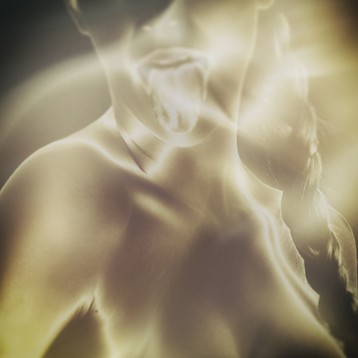
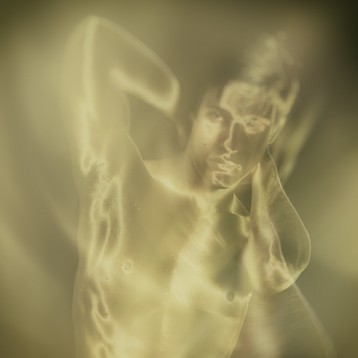
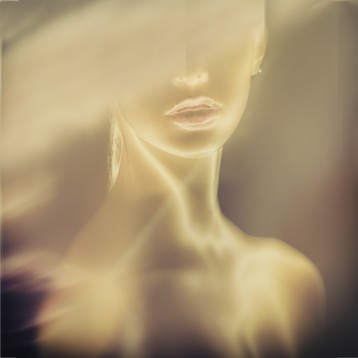
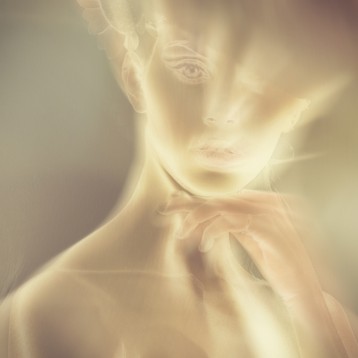
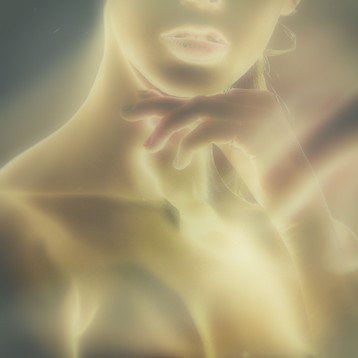
Gli dei dell’Olimpo diventano, in questo progetto, una parodia dell’umanità e delle sue strutture di potere. Tradizionalmente rappresentati come figure onnipotenti e luminose, qui si rivelano per ciò che sono: entità fragili, voluttiose e capricciose, amplificazioni estreme delle debolezze umane più che modelli ideali da venerare.
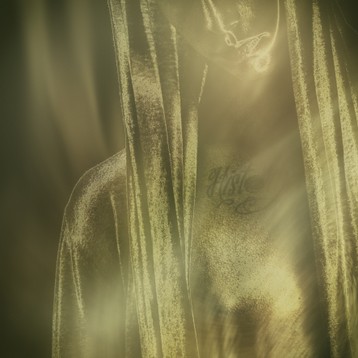
La loro autorità rimane indiscussa, così come la lucentezza delle vesti e l’apparato simbolico del potere, ma ciò che si manifesta è una sovranità arbitraria, esercitata su viventi che non credono più, bensì si rassegnano. Gli uomini non sono fedeli, ma sudditi, legati a un mito svuotato di sacralità e mantenuto in vita dalla paura e dall’abitudine.
Potenti sul monte Olimpo, luogo della distanza e della superiorità, gli dei si rivelano deboli nelle valli dell’umanità, dove il divino perde la sua aura e si confronta con la propria inconsistenza morale. Questa discesa dal mito al reale trasforma l’Olimpo in una metafora contemporanea: il potere, quando assoluto, non eleva, ma mette a nudo le contraddizioni, l’arbitrio e la miseria di chi lo detiene.
OLYMPUS utilizza il linguaggio del mito per parlare del presente, smascherando l’illusione della perfezione divina e restituendo agli dei una dimensione profondamente umana. La fotografia diventa così uno spazio di disvelamento, in cui monumentalità e decadenza convivono, e il mito non viene distrutto, ma riletto come specchio critico della nostra società.
Project Statement
In this project, the gods of Olympus become a parody of humanity and its power structures. Traditionally depicted as omnipotent and luminous figures, here they are revealed for what they are: fragile, voluptuous, and capricious entities, extreme amplifications of human weaknesses rather than ideal models to be venerated.
Their authority remains unquestioned, as do the lustre of their robes and the symbolic apparatus of power, but what emerges is an arbitrary sovereignty, exercised over living beings who no longer believe, but rather resign themselves. Humans are not faithful, but subjects, bound to a myth devoid of sacredness and kept alive by fear and habit.
Powerful on Mount Olympus, a place of distance and superiority, the gods reveal themselves weak in the valleys of humanity, where the divine loses its aura and confronts its own moral inconsistency. This descent from myth to reality transforms Olympus into a contemporary metaphor: power, when absolute, does not elevate, but lays bare the contradictions, arbitrariness, and misery of those who wield it.
OLYMPUS uses the language of myth to speak of the present, unmasking the illusion of divine perfection and restoring a profoundly human dimension to the gods. Photography thus becomes a space of revelation, where monumentality and decadence coexist, and myth is not destroyed, but reinterpreted as a critical mirror of our society.